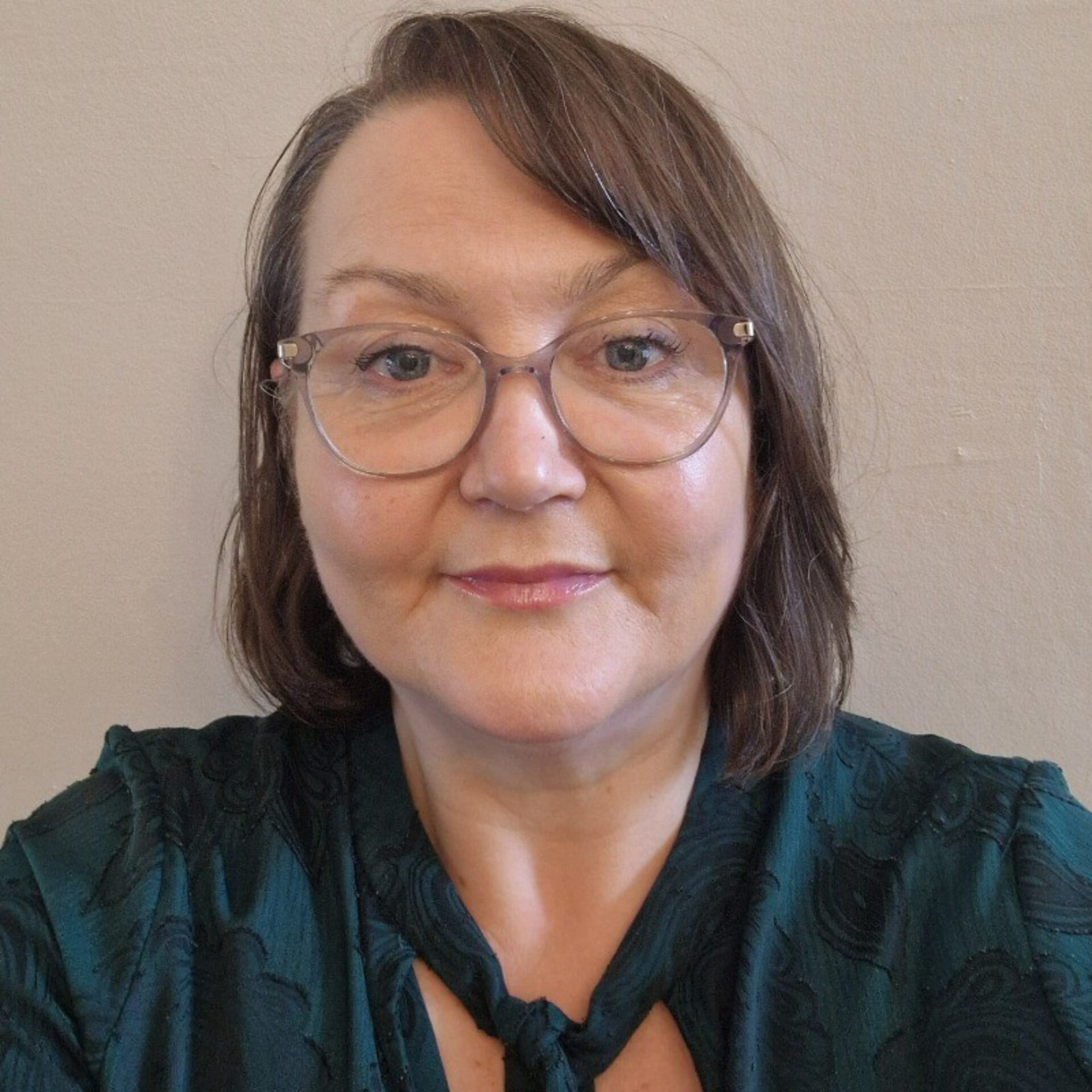
Michelle Tempest-Mitchell
Role at NeuroRocket: Neurodiversity Coach
Experience Supporting:
Autism • ADHD • AuDHD • Late-diagnosed neurodivergent adults
Common Coaching Topics:
Preparing for work • Managing work and workplace challenges • Self-understanding • Executive functioning • Interpersonal communication • Navigating change
Relevant Personal and Professional Experience:
FTSE-150 marketing leadership in media businesses • Autism and ADHD • Late diagnosis • Parenting a neurodivergent child • Employment and workplace experiences • Psychology • Supporting autistic adults into and within employment
A Little About Me:
I'm a positive and kind person with a natural curiosity about people and what helps them thrive. I'm a single mum to a neurodivergent teenager and an eight-year-old Labrador called Affie, short for Aphrodite.
Outside of coaching, I love movies, reading, learning and exploring the beautiful North Yorkshire countryside near my home. I'm always interested in discovering something new, whether that's through a book, a conversation or simply taking a different path on a walk.
I've learned that there isn't one right way to live, work or succeed. Understanding yourself, recognising your strengths and finding environments that work with you rather than against you can make a huge difference. That's a perspective I bring into my coaching.
My Journey to NeuroRocket:
My journey into neurodiversity began after the birth of my son. When he was diagnosed as autistic in the early 2000s, I was presented with a very pessimistic picture of what his future might look like. Rather than accept that as his story, I became determined to understand autism for myself.
That curiosity eventually led me to study for a Master's degree in Psychology in my forties. I became particularly interested in the impact of environment and learned how reducing unnecessary demands, taking sensory needs seriously and building on natural strengths can create conditions in which autistic people can thrive.
My son went on to become a competitive para swimmer and competed at the British Junior Para Championships at the age of 15, despite his primary school having previously refused to let him join its swimming team.
His diagnosis also prompted my own eureka moment. As I learned more about neurodivergence, I began to recognise aspects of myself and eventually sought my own ADHD diagnosis. It gave me a new perspective on experiences that had previously been difficult to understand and a greater appreciation of how challenging it can be to navigate education, employment, relationships and healthcare without the right understanding or support.
I became a Neurodiversity Coach because I wanted to support more neurodivergent adults to find ways of working and living that suit them. I have worked with NeuroRocket CIC for nearly two years and created and delivered JobQuest, a programme supporting autistic adults who are struggling to find or stay in work.
Beyond Coaching:
Family life keeps me busy outside work, along with Affie, reading and getting outdoors. I'm also someone who enjoys learning. My career has taken me in several different directions, and I still find myself drawn to new ideas, different perspectives and opportunities to understand more about people and how we function.
What Helps Me Thrive:
I've learned that routine is important for me. Without some structure, I can lose days and find that very little gets done. Having a framework for my day gives me the freedom to focus on what matters.
Sleep has also become something I take seriously. It has a significant impact on my mental health, concentration and energy, and I have learned that looking after it is not a luxury but an essential part of functioning well.
I also work with my natural rhythms rather than constantly trying to overcome them. My energy is generally strongest in the morning, so if something important needs to happen, that's when I try to schedule it. Understanding these patterns has helped me become much more accepting of what I need to work at my best.
Experience and Background:
Before becoming a specialist neurodiversity coach, I was a Marketing Director within a FTSE-150 Media organisations. This gave me extensive experience of leadership, business, communication and the demands of working in a high-pressure professional environment.
I subsequently retrained as a specialist neurodiversity coach and completed a Master's degree in Psychology. I am a graduate member of the British Psychological Society, the International Society of Coaching Psychology and the Association for Coaching.
I'm also currently training to become a Coaching Psychologist with the British Psychological Society. It's a long-term commitment involving a couple more years of study and development, but I'm enjoying continuing to deepen my understanding of psychology and coaching.
My professional background and personal experiences give me an appreciation of both sides of the workplace conversation. I understand the expectations and pressures of professional environments, while also understanding how differently those environments can be experienced by neurodivergent people.
Why Being a Coach Matters to Me:
For me, coaching is a positive conversation between two people. There is no judgement and no baggage. It's a space to explore possibilities, understand what might be creating barriers and consider what could work differently.
I love the fact that coaching doesn't start with the assumption that someone needs fixing. Instead, we can be curious about what is already there, what matters to the person and what they want to change.
Working with autistic and ADHD adults is particularly meaningful to me because I know how powerful it can be to look at your experiences through a different lens. Sometimes, understanding yourself can change the way you see your past, your present and what might be possible in the future.
I wish I had discovered coaching earlier in my own life. That experience is one of the reasons I value the work so much, and why I continue to learn. I'm excited to be training as a Coaching Psychologist and to keep developing the knowledge and skills I can bring to the people I support.